
A great author website works like a friendly front door. It welcomes readers, shows what the writer creates, and gives every visitor a clear next step. Some people visit to buy a book.
Others want the author’s bio, event details, media information, or newsletter. The best author websites handle all of this without making the site feel crowded or confusing.
A writer’s website does not need to look huge or expensive. It needs to feel clear, honest, and easy to explore. A thriller writer may use a bold, mysterious style.
A children’s writer may use bright colors. Strong author websites provide examples that good design should support the author’s voice.
Why Every Author Needs a Strong Website
Every author needs one online place they control. Social media can help writers meet readers, but platforms change all the time.
A website gives the author a steady home base where readers can always find books, updates, contact details, events, and useful links.
A polished website also builds trust. Imagine a reader hears an author’s name on a podcast and searches for them. A clean, useful website makes the reader feel more confident.
The best author websites examples guide visitors toward simple actions, such as buying the newest book, reading a sample chapter, joining a newsletter, or contacting the author’s team.
What the Best Author Websites Have in Common
Great author websites can look different, but they usually share the same strengths. They tell visitors who the writer is, what they write, and why it matters. They use simple menus, clear images, readable text, and strong buttons.
Clear branding matters. Colors, fonts, photos, and words should match the author’s genre and personality. A fantasy author can use rich visuals for worldbuilding.
A poet may use soft space and emotional images. A business author may use direct copy and clean design.
When readers study author websites and examples, they often notice that every strong design choice matches the writer’s message.
List of Best Writer Websites That Stand Out
Looking at real websites helps writers see what works. These author website examples show different ways to build a strong online presence. Each one teaches a useful lesson about branding, structure, reader connection, or book promotion.
Stephen King
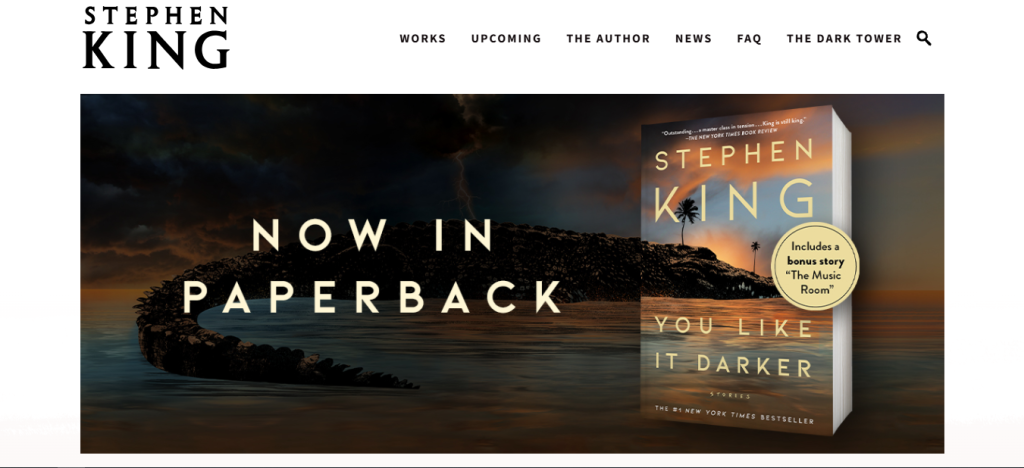
Stephen King’s official website works well because it simply organizes his writing career. His written works section lets readers explore novels, collections, nonfiction, audiobooks, short works, anthologies, screenplays, and limited editions. Authors with many titles can learn from this clear structure.
Brandon Sanderson
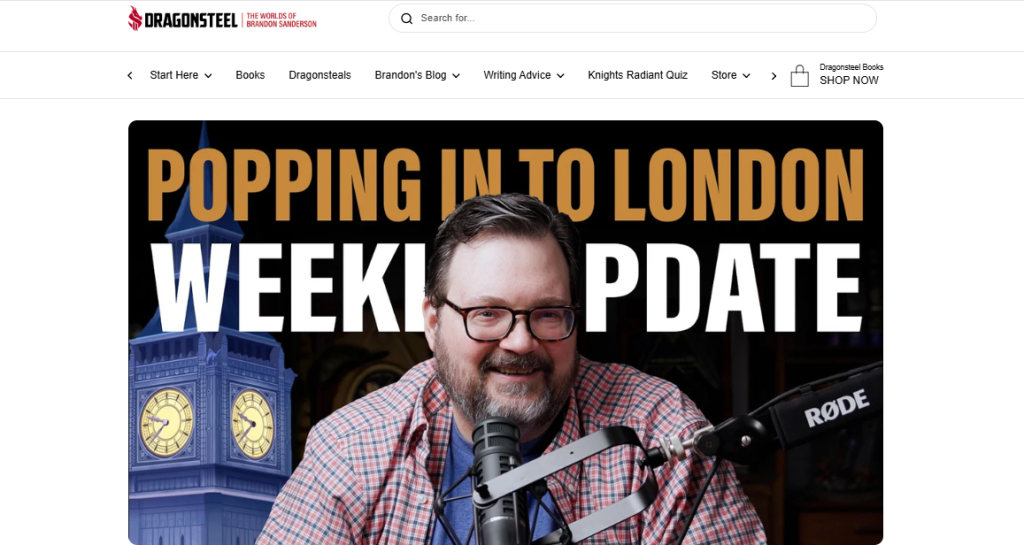
Brandon Sanderson’s website gives fantasy fans a clear path into a large story world. The homepage points readers toward updates, shopping options, an about section, and major book worlds such as The Stormlight Archive, Mistborn, Cosmere standalones, and Skyward. These author website examples show why series writers should help new readers know where to begin.
James Clear
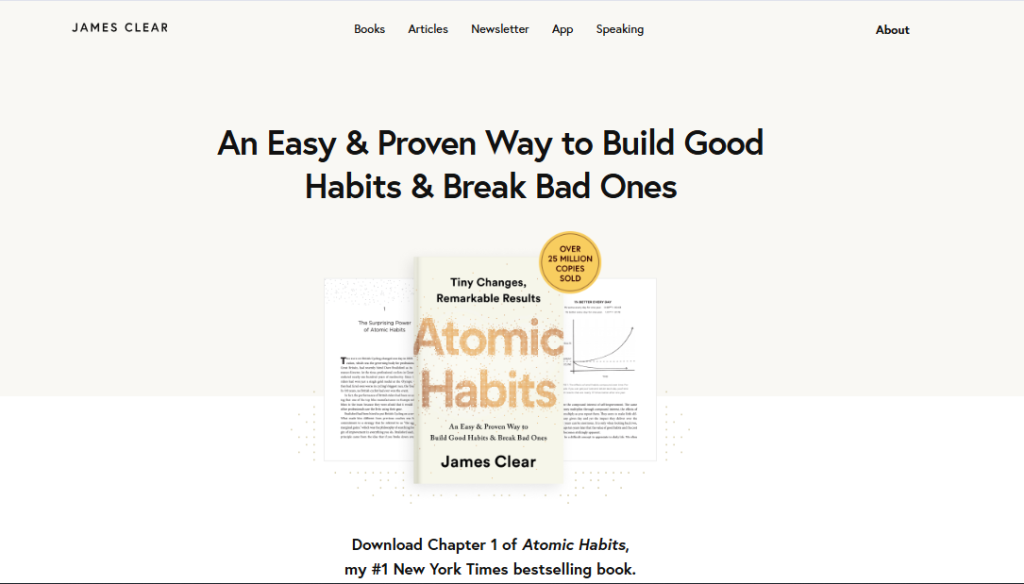
James Clear’s website explains his value fast. It presents him as a writer and speaker, highlights Atomic Habits, and connects visitors to his popular 3-2-1 newsletter. Nonfiction authors can learn from this by showing both the book and the promise behind the work.
Austin Kleon
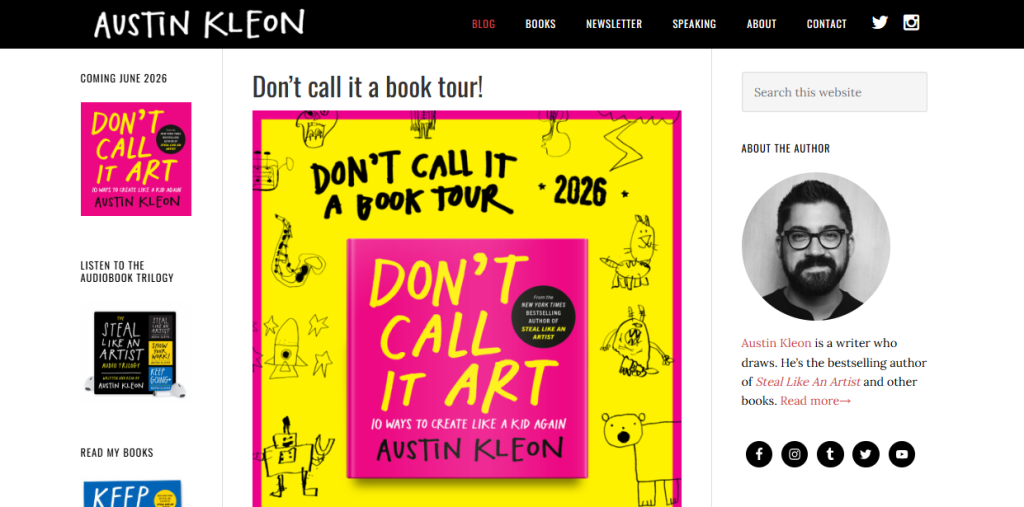
Austin Kleon’s website feels creative, personal, and active. It introduces him as “a writer who draws,” highlights his books, and invites readers to subscribe. Among author websites, this one shows how a short phrase can turn personality into a memorable brand.
Elizabeth Gilbert
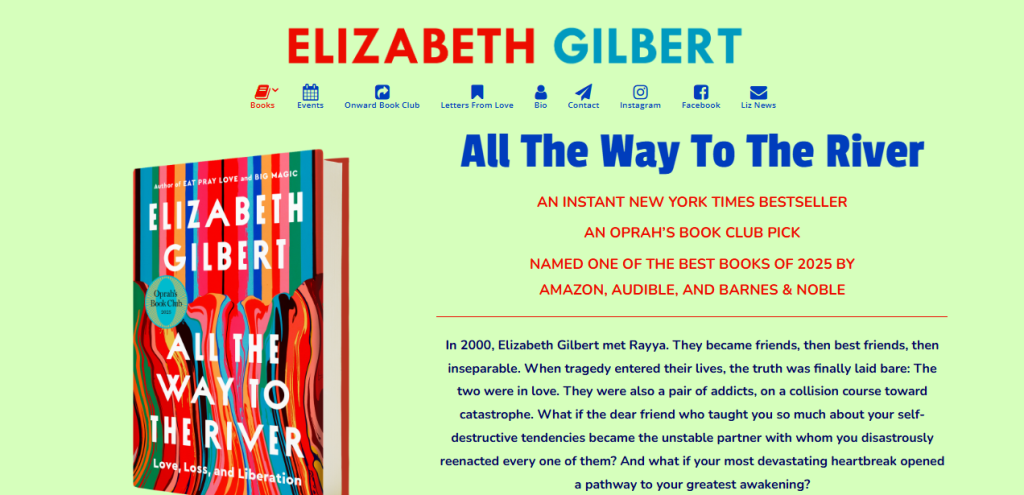
Elizabeth Gilbert’s official website gives visitors several clear ways to connect with her work. The site includes books, events, a book club, the Letters From Love project, a bio, and contact information. It shows a living author brand with a creative community around it, not just a single book page.
Rupi Kaur

Rupi Kaur’s website conveys an emotional message through personal story, poetry, art, and through information in the press. Her about page states that she wrote, illustrated, and self-published her first book, Milk and Honey, when she was a university student. These examples of author websites remind writers that a compelling origin story can help make their site human and memorable.
J.K. Rowling
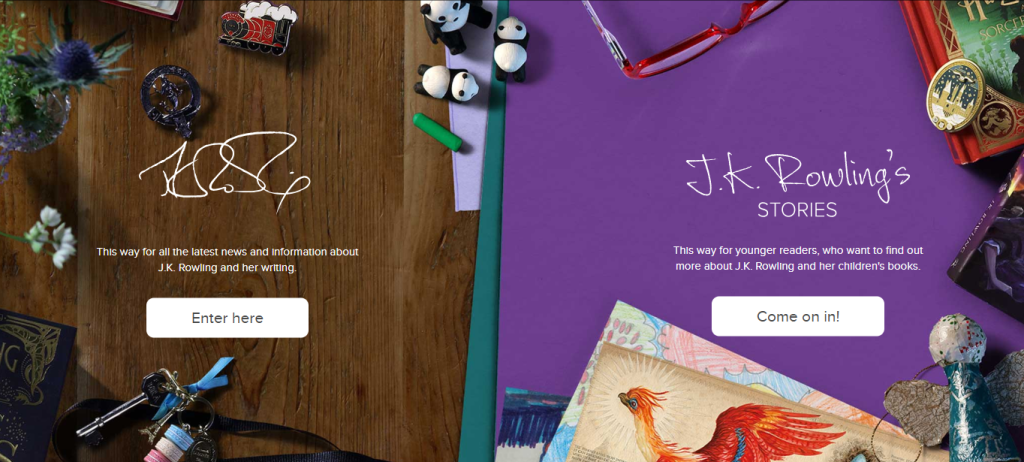
J.K. Rowling’s official website shows how a famous author can keep a personal online space even when the work also lives inside a larger entertainment world. The site includes inquiries, links, legal information, and a media kit, which helps fans and professional visitors.
The Homepage Should Tell Readers Who You Are Fast
The homepage has one big job. It must help visitors understand the author quickly. A reader should not scroll for a long time before learning the writer’s name, genre, newest book, or main message. Strong author websites place the most important information near the top.
A good homepage often includes an author photo, a book cover, a short tagline, and a clear button. The button may say “Buy the Book,” “Start Here,” “Read More,” or “Join the Newsletter.” These simple signs guide readers forward.
A tagline should tell readers what kind of experience the author offers. A thriller writer might promise dark stories and tense choices.
A children’s author might promise funny books for curious kids. A business author might promise simple ideas for better work.
A Great Author Bio Page Feels Personal and Professional
An author bio should do more than list awards. It should make readers feel close to the person behind the books.
Readers enjoy learning why an author writes, what shaped their voice, and what they care about. At the same time, the bio should stay useful for journalists, bookstores, schools, and event hosts.
A smart bio page can include a short bio and a longer bio. The short version helps media teams copy details quickly. The longer version gives fans more story. Photos, press mentions, and downloads can also help.
Book Pages Should Make Buying Easy
A book page should answer the questions readers already have.
- What is the book about?
- Who is it for?
- Why should someone read it now?
- Where can they buy it?
Good book pages use covers, short descriptions, review quotes, sample chapters, and clear buying links.
The best writer websites never hide the books. They place covers and purchase options where visitors can see them. They may link to retailers, bookstores, audiobook platforms, signed editions, or direct sales.
Extras can make a book page stronger. A novelist can add a reading group guide. A children’s author can add classroom activities.
A nonfiction author can add worksheets or checklists. These extras turn a simple sales page into a helpful reader resource.
Newsletter Signups Help Authors Build Long-Term Reader Relationships
A newsletter gives authors a direct line to their audience. Social media posts may disappear quickly, but emails land in a reader’s inbox.
That makes newsletters useful for book launches, event announcements, behind-the-scenes updates, and personal notes.
The signup box should give readers a clear reason to join. It might offer a free short story, a sample chapter, writing tips, book recommendations, or early updates.
When author websites include a strong newsletter offer, they turn casual visitors into returning readers.
Media and Contact Pages Make Opportunities Easier
A media page helps busy people help the author. Journalists, podcasters, teachers, librarians, and event planners often need fast access to bios, photos, book covers, press releases, interview topics, and contact details. A clear press kit saves time and makes the author look prepared.
A contact page should also stay simple. Some authors use a form. Others list an agent, publisher, publicist, or speaking contact.
The key is to make the right path obvious, so schools, podcasts, bookstores, and media teams know where to ask.
Design Details That Make an Author’s Website Feel Premium
Small design choices can make a website feel much better. Mobile-friendly pages matter because many readers visit from phones.
Fast-loading pages matter because people leave slow sites. Readable fonts matter because readers should enjoy the experience, not fight with tiny text.
Consistent colors, strong photos, and clean book cover images help visitors remember the author. A website with too many styles can feel messy, while a clear visual system feels calm and professional.
Common Mistakes to Avoid on Author Websites
Many author sites struggle because they try to do too much. Too many popups, moving effects, long menus, and crowded pages can overwhelm visitors.
Simple often works better because readers come to learn about the author and the books, not to solve a puzzle.
Another mistake is hiding the newest book. If visitors need several clicks to find it, the site loses sales.
Old event dates, broken links, missing book pages, and abandoned blogs can also make visitors wonder if the author is still active.
How to Create an Author Website That Reflects Your Writing Style
A great author website starts with the reader. Ask what the reader wants to feel, learn, or do. Then build the site around that journey.
A romance author may want warmth and emotion. A horror author may want tension and mystery. A business author may want clarity and confidence.
Study these sites for ideas, but do not copy them blindly. Use them to see what works, then shape your own site around your voice.
After someone lands on your site, they should know whether to buy a book, read a sample, join your list, explore your story, or contact you.
Conclusion
You don’t need to be “loud” on the Internet to be a great writer. It should be easy to understand, informative, and friendly.
The best author websites are a reflection of the author’s personality, group books effectively, engage readers and engage professionally.
So, regardless of whether you’re writing fiction or nonfiction, poetry or memoir, fantasy or children’s books, or business guides, your website should tell them who you are and why you’re significant. If you have a clear design, but it’s not authoritative, your website will not be a loyal reader’s destination.
Frequently Asked Questions
An author’s website should include a homepage, author bio, book pages, contact page, newsletter signup, media kit, and links to buy books. It should also include high-quality author photos, book covers, reviews, event details, and social media links. The goal is to help readers, journalists, publishers, and event planners quickly understand who the author is and where to find their work.
Authors need a personal website because it gives them a professional online home they fully control. Social media platforms can change, but a website stays centered around the author’s books, story, updates, and brand. It also helps readers trust the author and makes it easier for people to buy books, request interviews, or invite the author to events.
Author websites help in book marketing by giving readers one clear place to learn about the author and their books. A website can promote new releases, share reviews, collect email subscribers, announce events, and link directly to buying options. It also supports long-term marketing because every blog post, book page, and newsletter signup can bring more attention to the author’s work.
A good author website design is clean, simple, fast, and easy to use. Visitors should quickly see the author’s name, genre, latest book, and main call to action. Strong design also uses readable fonts, clear menus, professional images, mobile-friendly pages, and colors that match the author’s writing style.
Authors do not always need a blog, but a blog can help if they can update it regularly. Fiction authors can share writing updates, reading lists, character notes, or behind-the-scenes stories. Nonfiction authors can use blogs to share advice, ideas, and helpful resources. A blog works best when it supports the author’s brand and gives readers a reason to return.
Author websites can increase book sales by making books easy to discover and buy. Clear book pages, strong descriptions, review quotes, sample chapters, and visible buy buttons can encourage readers to take action. A newsletter signup can also help authors promote future launches directly to interested readers.
The essential pages for author websites include a homepage, about page, books page, individual book pages, contact page, and newsletter signup page or section. Many authors should also add a media kit, events page, speaking page, blog, and resources page, depending on their goals and audience.
Successful authors usually structure their websites around the reader journey. They make the homepage clear, place books easily to find, add a personal but professional bio, include newsletter signup options, and provide simple contact details. They also guide visitors toward one main action, such as buying a book, joining an email list, or booking the author for an event.
Professional author website examples include Stephen King, Brandon Sanderson, James Clear, Austin Kleon, Elizabeth Gilbert, Rupi Kaur, and J.K. Rowling. These websites work well because they present the author’s brand clearly, organize books properly, and make it easy for visitors to explore content, updates, events, or buying options.
Authors should update their websites whenever something important changes. This may include a new book release, upcoming event, press feature, award, newsletter offer, or contact detail. At a minimum, authors should review their website every few months to remove old information, fix broken links, and keep the site fresh for readers.
Turn Your Author Website Into a Reader-Conversion Platform
Most author websites fail to bring readers or sales because they don’t have the right structure, strategy, or user experience. Visitors come but leave without taking any action.
With custom website design and development, your website can be built to attract attention, build trust, and showcase your books in a way that converts visitors into loyal readers and subscribers.
Let’s Create Your Professional Author Website
Don’t let your writing get lost online. Turn your website into a platform that actually grows your audience and supports your author brand.
Book Your Free Consultation Today
📞 Call: +1 (888) 251-7552
📧 Email: info@americandesignhub.com