

Think of Google Ads as the world’s most expensive digital casino where the house always wins unless you bring a spreadsheet to a fistfight. You are essentially renting space on a screen while Google extracts a price for Google Ads for every wandering finger that clicks your link.
It is a high-stakes auction house where the currency is your sanity and the prize is a lead that might actually buy something.
Understanding the “Golden Trio” of Keywords, Ads, and Landing Pages
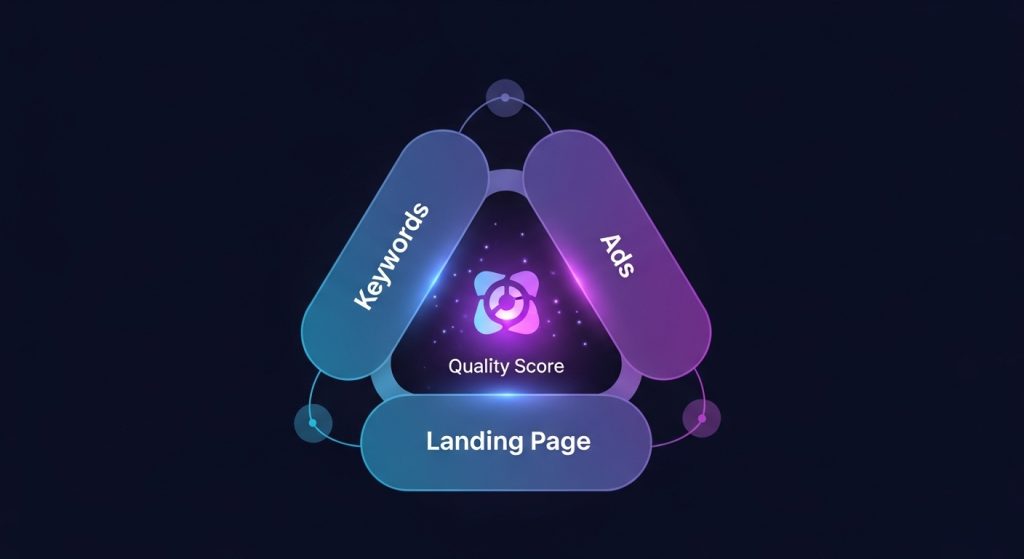
The foundational mechanics of prices for Google Ads remain tethered to three distinct variables. You must master the interplay among keyword intent, ad relevance, and landing page experience.
Google assigns a Quality Score based on these factors to determine your Ad Rank. High Quality Scores act as a discount mechanism.
Low scores function as a financial penalty. You must ensure that the keyword matches the searcher’s intent precisely. The ad copy must then mirror that intent to drive the click-through rate.
Your landing page is ultimately responsible for fulfilling the promise made in the ad. If the landing page fails to deliver a fast, relevant experience, your costs will rise.
Google penalizes advertisers who provide poor user experiences by raising their floor prices. You cannot bid your way out of a bad user experience.
The system rewards technical alignment with a lower cost-per-click. You should regularly audit your landing page load speeds and mobile responsiveness.
A one-second delay (yes, you read it right) in load time can slash your conversion rate and inflate your acquisition costs. Focus on technical relevance to maintain a competitive edge in the 2026 market.
How Google Ads Auction Changes Affect Your Cost Per Click in 2026?

The auction environment shifted from a simple second-price model to a more complex system. Google now uses machine learning to predict the likelihood of a conversion before the auction even begins. This means the price you pay per click depends on the predicted value of that user to your business.
If the algorithm determines that a user is highly likely to convert, the cost to reach that user will increase. Competitors with higher historical conversion rates often see lower floor prices. You are no longer just bidding against other companies.
You are bidding against the statistical probability of a sale. The auction considers thousands of signals, including device type and location, and time of day. This granularity means that generic bidding strategies will fail.
You must provide the system with clean data to ensure it bids accurately on your behalf. Failure to supply accurate conversion data leads to the algorithm overbidding on low-value traffic.
Prices for Google Ads in 2026 reflect the premium placed on high-intent users. You should monitor your impression share lost due to rank to identify where your bids fall short of the quality threshold.
Understanding Cost Per Acquisition Trends for Modern Campaigns
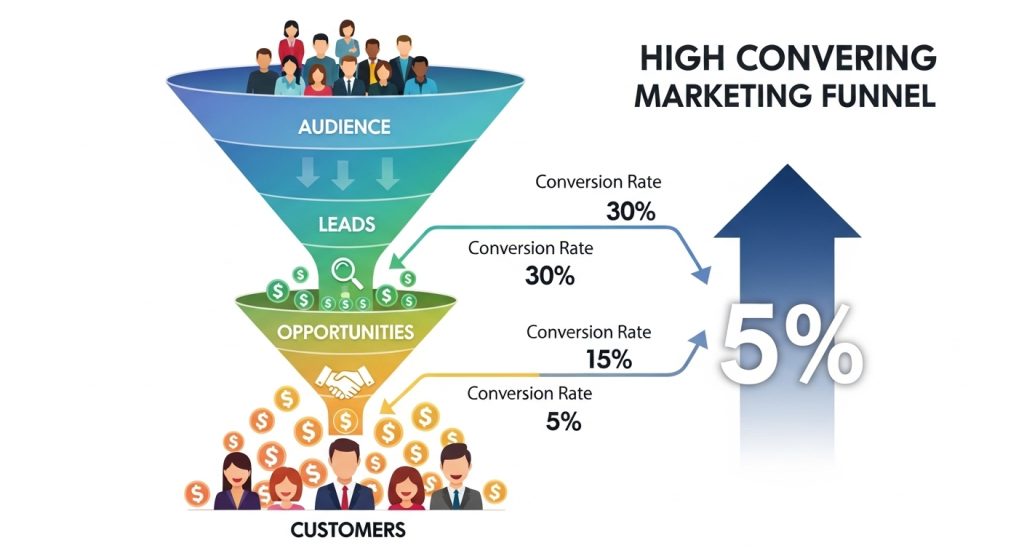
Cost-per-acquisition trends show a steady increase as the market becomes saturated. Every niche now faces intense competition from both local players and global giants. You must shift your focus from vanity metrics like clicks to the actual bottom-line cost of a customer.
Modern campaigns require a deep understanding of customer lifetime value to justify rising acquisition costs. If your front-end product has thin margins, you will struggle to remain profitable in the current environment.
High prices for Google Ads force you to develop robust backend sales funnels. You cannot rely on a single transaction to recoup your marketing spend.
The algorithms now prioritize accounts that demonstrate consistent conversion volume. This creates a barrier to entry for new advertisers with small budgets.
You should calculate your break-even point with extreme precision before launching any campaign. Factor in the costs of returns, shipping, and overhead.
Most advertisers fail because they do not account for the hidden costs of scaling. You must treat your ad spend as a capital investment rather than a simple expense.
Impact of AI Bidding on Budget Efficiency and Spend Predictability

Automated bidding strategies now dominate the platform. These systems use Bayesian probability to adjust bids in real time. This shift removes the need for manual adjustments but introduces a lack of transparency.
You often see fluctuations in daily spend as the algorithm hunts for conversions. This volatility can make budget planning difficult for strict financial cycles.
The system prioritizes the target cost per action over the daily budget limit. You might spend double your daily budget on a high-performing day and nothing on a slow day.
This behavior requires a flexible cash flow approach. You must trust the machine to find the right users while maintaining strict guardrails.
Set maximum bid limits within your portfolio strategies to prevent the algorithm from overspending during competitive spikes.
Predictive modeling helps the system avoid auctions with low conversion probability. This focus on performance over volume saves money in the long run.
You must feed the system high-quality conversion signals to ensure the machine learns correctly. Garbage data entering the system results in expensive, useless traffic.
What First Price Auctions Mean for Ad Budget Planning?

Google moved toward first-price auction logic across many of its display and video segments. This means you pay exactly what you bid, rather than one cent more than the next-highest bidder. This change requires a more strategic approach to bid management.
You can no longer rely on the system to find the lowest possible price for you. If you bid too high, you will waste a significant portion of your budget. Bid shading techniques became a necessary skill for advertisers. You must analyze historical win rates to find the optimal bid that secures the impression without overpaying.
This shift increases the complexity of budget forecasting. You should use experiments to test different bid levels and observe the impact on volume. First-price auctions reward advertisers who have a clear understanding of their maximum profitable bid.
You must avoid the temptation to chase the top position at any cost. Focus on the marginal return of every dollar spent. Planning your budget in a first-price environment requires disciplined adherence to your internal financial targets.
How Privacy-Driven Targeting Shifts Influence CPM and CPC Rates?

The death of third-party cookies fundamentally changed how we target audiences. Google now relies on Topics and Protected Audience APIs to group users. This move toward privacy reduces the surgical precision we once enjoyed.
As a result, the cost to reach specific high-value segments has increased. Broad targeting is cheaper but leads to lower conversion rates. Niche targeting is more expensive but provides better returns. You must build your first party data sets to combat this loss of visibility.
Uploading your customer lists allows the algorithm to find similar users with greater accuracy. Prices for Google Ads are rising for advertisers who rely solely on Google’s internal data.
You should integrate your CRM directly with the ad platform to pass offline conversion data back. This closed-loop reporting allows the system to value users based on actual revenue rather than just clicks.
Privacy regulations mean you must be more creative with your creative assets. Since you cannot target as precisely as before, your ad copy must do the heavy lifting of filtering out irrelevant users.
Measuring Return on Ad Spend When Automation Makes Decisions
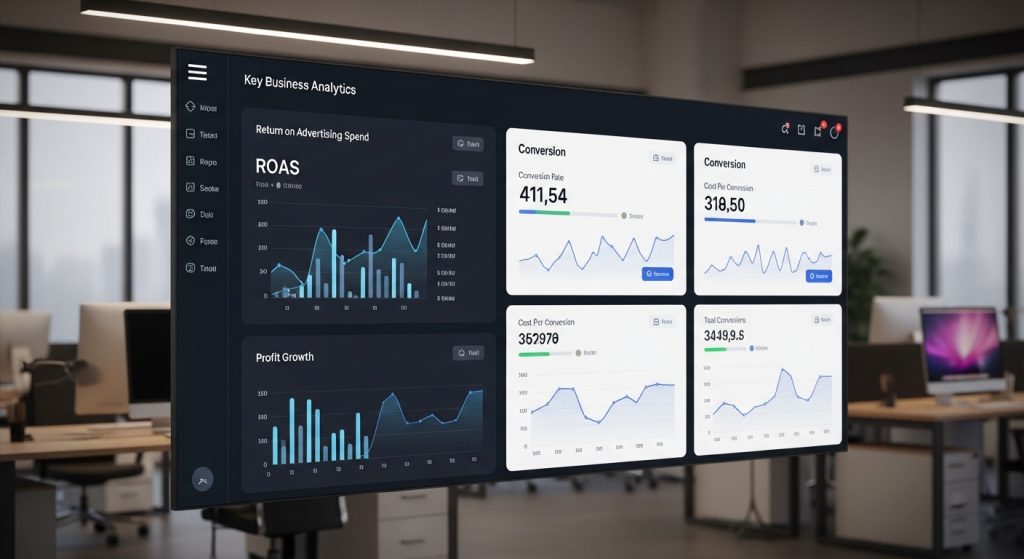
Return on ad spend is the ultimate metric, but automation makes it harder to track the direct cause of a sale. Data-driven attribution models have replaced the old last click standard.
This means the system credits multiple touchpoints for a single conversion. You must look at the holistic performance of your account rather than individual keywords.
Automation often shifts spend toward brand terms to inflate the perceived return. You should separate your brand and non-brand campaigns to see the true incremental value of your advertising.
Calculate your incremental return on ad spend to understand if the ads are actually driving new business or just poaching organic sales.
High prices for Google Ads require you to be ruthless with your data analysis. Use profit-driven metrics instead of just revenue targets. A high return on ad spend is meaningless if the cost of goods sold eats all your margin.
You must account for the delay in conversion reporting when making budget decisions. Some users may take weeks to decide after the initial click.
Hybrid Bidding Strategies That Balance Control and Machine Learning

Purely manual bidding is a relic of the past, but total reliance on AI is dangerous. Hybrid strategies involve using automated bidding with manual constraints. You can use portfolio bid strategies to set a maximum cost-per-click cap for automated campaigns. This prevents the algorithm from paying $20 for a $5 keyword.
You should also use scripts to pause campaigns that exceed certain cost thresholds. This layer of human oversight protects your budget from algorithmic glitches.
Hybrid approaches allow you to steer the machine toward specific business goals. For example, you can use seasonality adjustments to inform the algorithm of upcoming sales.
This prevents the system from being caught off guard by a sudden spike in traffic. You must maintain control over your negative keyword lists to ensure the machine does not bid on irrelevant terms.
Automation is a powerful engine, but it still needs a driver to set the destination. Balance the scale of machine learning with the precision of human strategy to keep your prices for Google Ads manageable.
Forecasting Seasonal and Industry-Specific Price Swings in 2026
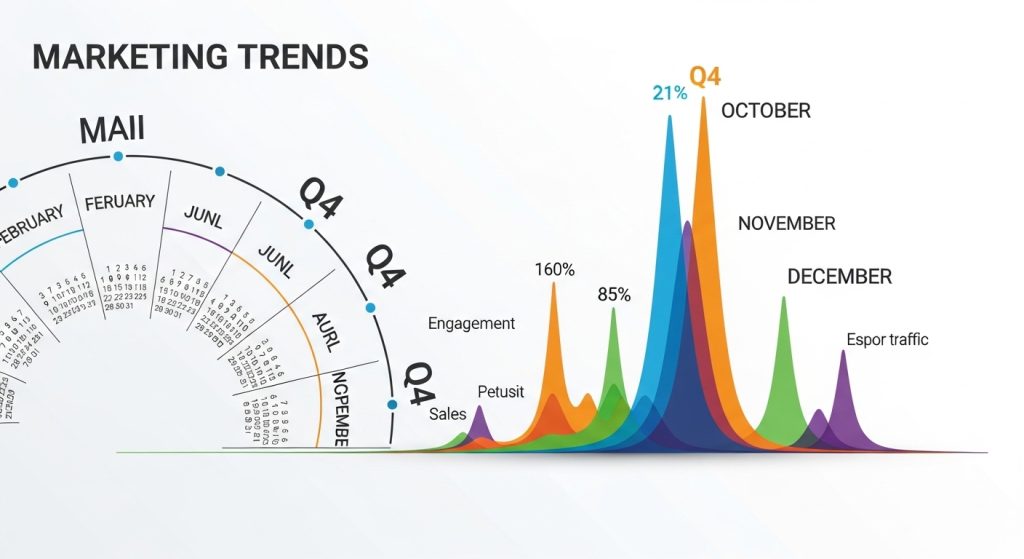
Seasonality remains a major driver of price fluctuations. The fourth quarter is notoriously expensive due to holiday shopping. However, other industries have their own unique peaks.
Travel costs surge in the summer while tax services peak in the spring. You must study historical trends within your specific vertical to anticipate these swings.
Competitors often flood the market during peak times, which drives up the floor price of every auction. You should build a buffer in your budget to handle periods of high inflation.
Conversely, you can find bargains during the off-season when competition retreats. Pricing in 2026 is also influenced by macroeconomic factors, such as interest rates and consumer confidence.
If the economy is tight, the cost per click may drop as businesses pull back on spending. You must stay informed about industry news to predict when new players might enter your space.
A new venture-backed competitor can temporarily disrupt the pricing dynamics of an entire keyword category. Forecasting requires a mix of historical data and current market intelligence.
Tools and Metrics Every Advertiser Should Use to Monitor Costs
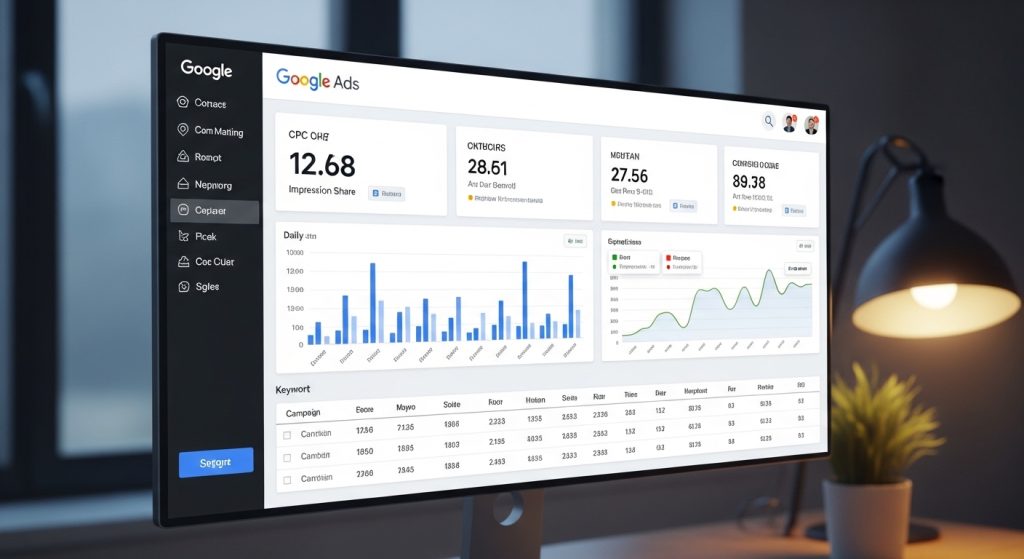
You must use the right tools to keep your prices for Google Ads under control. The Auction Insights report is your best friend for understanding the competitive landscape. It shows who else is bidding on your terms and how often they outrank you.
Use the Impression Share metrics to see how much of the market you are missing due to budget or rank. A low impression share due to rank suggests you need to improve your Quality Score or raise your bids.
Google Ads Editor is essential for making bulk changes and quickly auditing your account structure. You should also set up automated alerts to notify you of any sudden spikes in cost per click. Monitor your Search Terms report daily to find and exclude wasteful keywords.
Use the Performance Planner to forecast how changes in spend will impact your total conversions. These tools provide the data necessary to make informed decisions.
Technical advertisers also use BigQuery to analyze their ad data alongside their internal sales data. This level of analysis reveals the true path to profitability.
Frequently Asked Questions
Prices for Google Ads vary by niche. Most small businesses spend between $1,000 and $10,000 per month. You pay per click, so your total spends scales with the traffic you capture each month.
Competition levels and keyword popularity determine Google Ads prices. Your Quality Score also plays a massive role. Higher scores lower your costs, while poor ad relevance and slow landing pages force you to pay a premium for search visibility.
The system uses a live auction model to determine prices for Google Ads. It multiplies your maximum bid by your Quality Score. This creates an Ad Rank that determines your position and the actual amount you pay per click.
Small businesses can find affordable prices for Google Ads by targeting specific long-tail keywords. You set your own daily limits to ensure you never overspend. This control enables even tiny budgets to compete for high-intent local search traffic.
Direct comparisons are tricky because Google targets intent while Facebook targets interests. Prices for Google Ads are often higher per click. Conversion rates usually justify the cost because users are actively searching for a solution to their specific problem.
You should base your budget on your target cost per acquisition. Research the average prices for Google Ads in your industry to estimate initial spend. Start with a modest amount to gather data before scaling your investment into winning keywords.
Legal and insurance niches face the highest prices for Google Ads due to high customer value. E-commerce and retail usually see lower costs per click. Every industry operates on its own supply-and-demand curve within the keyword auction.
You can start with as little as ten dollars a day. Low daily budgets require tight keyword targeting to avoid wasting money. While low prices for Google Ads are possible, you might see slower data collection and limited market reach.
Your bidding strategy directly influences the prices for Google Ads you pay. Aggressive bidding secures top spots but drains budgets faster. Automated bidding uses machine learning to adjust your bids based on the likelihood that a user will actually convert.
The platform is transparent, but you must account for management fees and creative production costs. These external factors affect the total prices you face for Google Ads. Poorly tracked conversions lead to waste that inflates your overall digital marketing spend.
Conclusion
Winning in the 2026 digital marketplace requires a cold and calculated approach to your marketing spend. Stop viewing these costs as mere expenses and treat them as precision surgical tools.
Ignoring the technical shifts in the auction will lead to financial ruin for your brand. Master the nuances of Quality Score and data integrity to secure competitive prices for Google Ads. Demand excellence from your data or watch margins vanish.
Maximize Your ROI Without Wasting a Single Dollar
Rising Google Ads costs can feel overwhelming, but you don’t have to let them eat into your budget. With the right strategy, careful planning, and data-driven management, every click can become a paying customer.
We help businesses like yours improve conversions, optimize campaigns, and get the most out of every marketing dollar with affordable digital marketing services designed for 2026’s competitive landscape.
Book Your Free Consultation Today
Let’s take a look at your campaigns and uncover simple, practical ways to save money, lower acquisition costs, and grow your business.
📞 Call: +1 (888) 251-7552
📧 Email: info@americandesignhub.com