

Your logo is more than just a picture; it’s the face of your brand, reflecting your values, mission, and promise. It’s what your audience interacts with first, anchoring your corporate identity. Even...
Your logo is more than just a picture; it’s the face of your brand, reflecting your values, mission, and promise. It’s what your audience interacts with first, anchoring your corporate identity. Even iconic logos can age, losing relevance or blending into modern design trends.
To stay competitive and appealing, businesses must evolve, and that often starts with a fresh look at their visual identity. A logo redesign isn’t just cosmetic, it’s a strategic move that signals growth, innovation, and market commitment.
The key question isn’t whether your logo should evolve, but when to redesign it and how to ensure it drives real business growth.
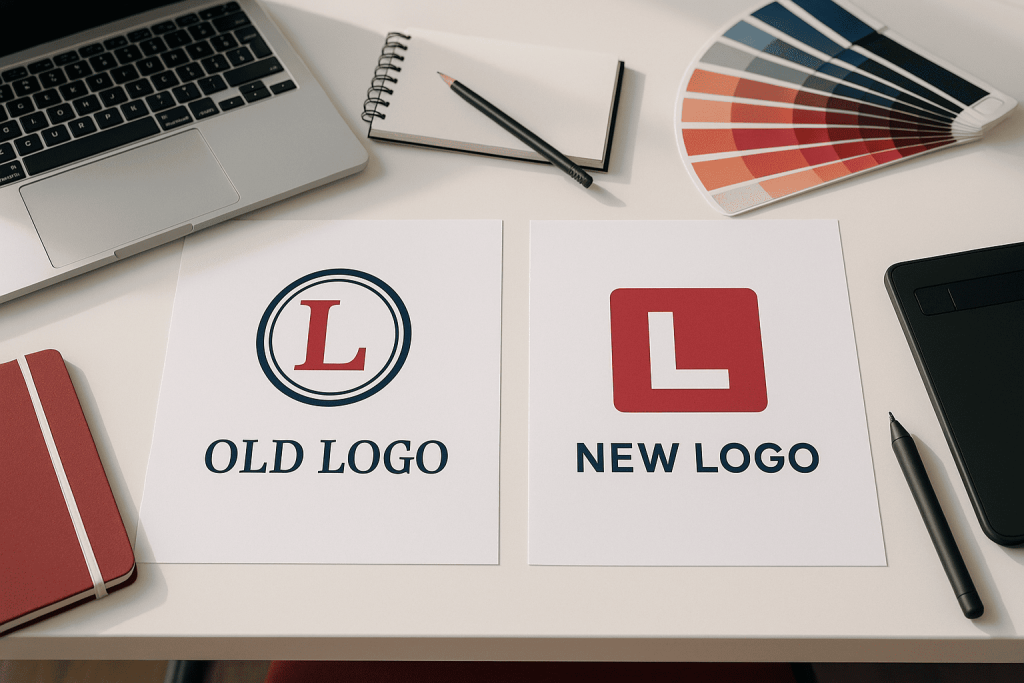
Signs It’s Time for a Logo Redesign
Deciding when to redesign a logo requires an objective assessment of your current brand position and visual identity. A simple feeling of "I'm bored" isn’t enough reason to change. However, some clear business signs show it might be the right time for a fresh start or a big change.
1. Brands Outgrown Visual Identity
A logo designed for a small, local bakery might not hold up when that business expands into a national gourmet food supplier. If your company has changed a lot, like through mergers, acquisitions, or new markets, your current logo might be telling an old story.
Practical Insight:
A playful or literal logo can lack the seriousness, elegance, or versatility needed for a large business. A rebranding strategy in this context clarifies the new scope and ambition of the business.
2. Your Design Is Visibly Outdated
Design trends are transient, but certain aesthetic missteps date a logo irrevocably. Heavy drop shadows, clip art, complex gradients, and outdated fonts weigh down your brand. They can make it look stale, slow, or untrustworthy.
Actionable Advice:
Test your logo’s performance against modern design principles:
- Scalability:
Does it look crisp and clear when shrunk to a favicon or blown up for a billboard? - Versatility:
Does it work equally well in full color, black and white, or embroidered on merchandise? - Simplicity:
Does it have too much detail that digital platforms, especially mobile, struggle to show?
3. Lost Edge Against Competitors
Look at your primary competitors. If their logos are sleek and clear, but yours seems busy or confusing, it creates friction for your identity. In a crowded marketplace, consumers often subconsciously equate design quality with product quality. A weak logo creates a perception gap.
A logo redesign can help you stand out from competitors. It grabs attention and shows your brand as a modern innovator.
4. Struggling in Digital Spaces
If your logo looks bad on social media, is hard to read in a website footer, or needs frequent changes, it’s not suited for today’s digital world. The contemporary logo must be designed for a digital-first application.
The Power of Successful Rebranding Case Studies
Looking at successful logo redesigns shows how smart visual changes can lead to market gains.
Apple: The Evolution to Essentialism
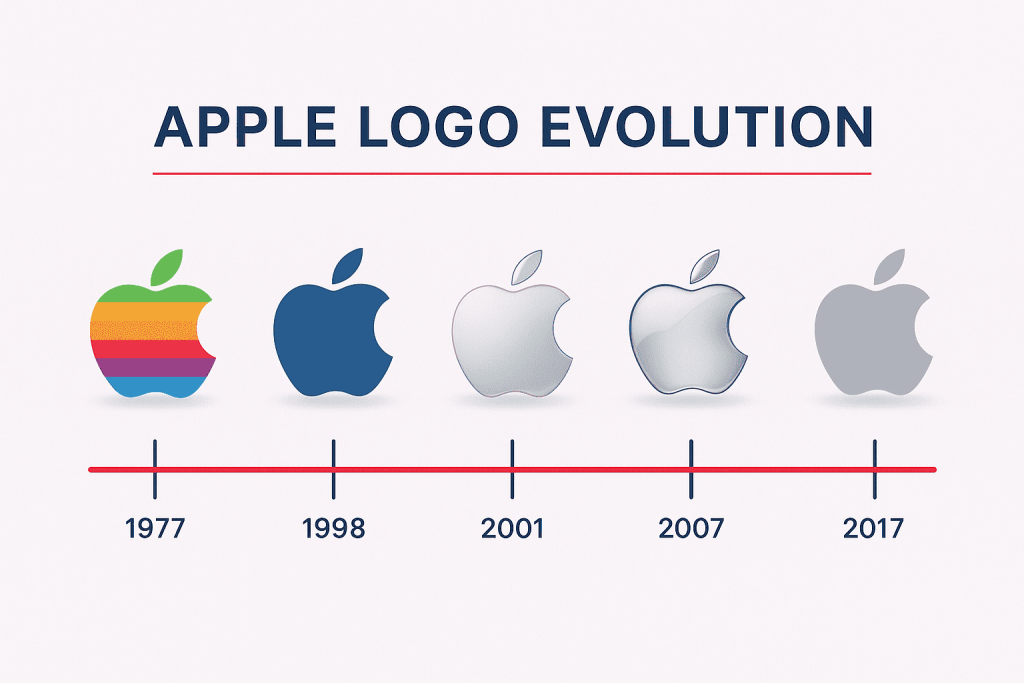
Apple transformed its complex logo of Isaac Newton under a tree into the simple, iconic bitten apple. This change shows how to refine a brand effectively. The first logo redesign turned a complex design into the rainbow apple. Then, the shift to the minimalist version showed their change from a niche computer company to a global design and tech leader.
Impact:
The Apple logo is easy to recognize and very versatile. It captures the brand's sleekness, simplicity, and premium quality perfectly. The move ensured the logo remained timeless and adaptable across all new products, from iPhones to services.
Starbucks: Focusing on the Core Iconography
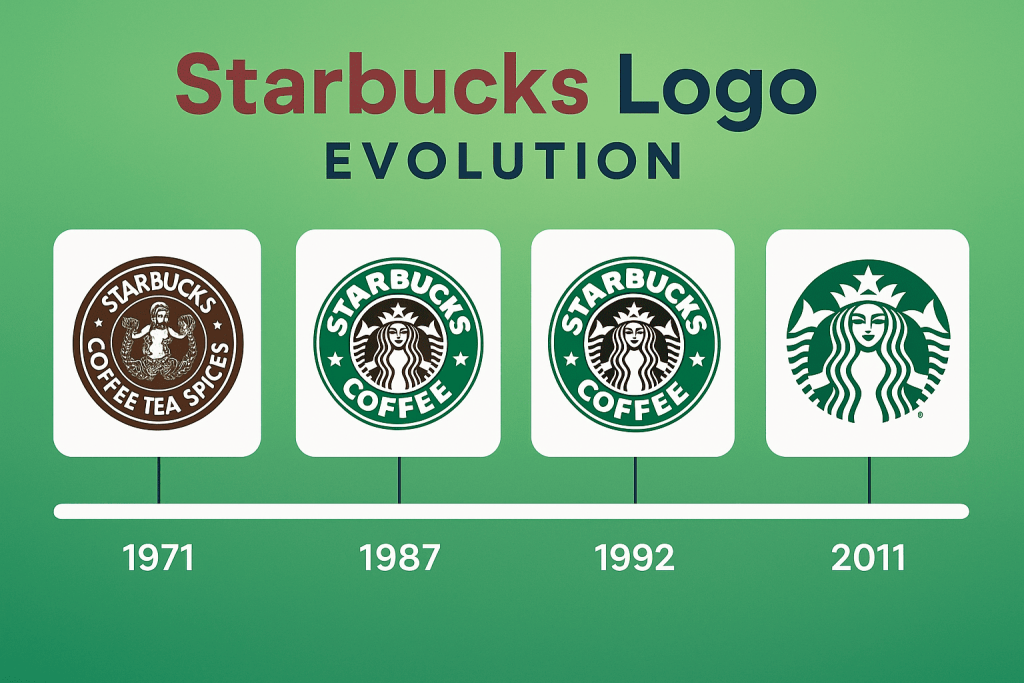
Starbucks changed its logo over time. They removed extra details, like the text ("Starbucks Coffee") and the inner ring. This led to the final redesign in 2011. They shifted the emphasis entirely to the iconic Siren.
Impact:
This logo choice helped Starbucks show they are more than just coffee. They are a global lifestyle brand. Removing the word "coffee" made the logo suitable for tea, pastries, packaged goods, and global markets. This change shows its versatility and long-term vision.
Airbnb: Building Emotional Resonance

Airbnb's rebrand went beyond just a wordmark. They introduced "Bélo," a symbol that captures people, places, and love.
Impact:
This logo redesign was high stakes and successful. It changed the brand’s image from a rental platform to a community with emotional ties. It created a visual language that the community could draw, share, and customize. This helped build stronger emotional connections to the brand.
A logo redesign isn't just random. It's about matching the brand's look with its strategy, future goals, and emotional ties to the audience.
Cost vs. Value Investment in Brand Equity
A professional logo redesign service can be a significant investment, leading many business owners to hesitate. It's crucial, however, to view this not as an expense, but as a long-term capital investment in your most valuable asset: your brand equity.
Understanding Investment
The cost of a rebranding logo project can change a lot. It depends on the firm's experience, the project's scope (like just a logo or full brand guidelines), and your business size. However, a "low cost" solution often carries hidden long-term costs.
| Consideration | Low-Cost/DIY Redesign | Professional Agency/Designer |
| Strategy & Research | Minimal or none, driven by aesthetics. | Deep competitive analysis, audience research, and brand strategy workshops. |
| Originality | High risk of similarity to existing marks, potential legal issues. | Custom, unique, and trademarkable design that stands out. |
| Scalability | Often lacks proper file formats or digital optimization. | Provided in vector formats, optimized for all digital and print needs. |
| Future Proofing | Design may quickly look dated and lack strategic longevity. | Timeless design rooted in strategic principles, ensuring long-term relevance. |
The Value Multiplier
The value of a well-executed logo redesign far surpasses the cost:
- Increased Perceived Value:
A sophisticated, modern logo allows you to justify premium pricing. Consumers will pay more for a brand that looks professional and trustworthy. - Faster Recognition:
A simple and unique logo stands out. It makes recall easier and helps products enter the market faster. - Stronger Employee Morale:
Internal teams take pride in representing a smart, innovative brand. This often boosts alignment and helps with recruitment. - Reduced Friction:
A new logo clears up confusion and removes old elements. This makes it easier for prospects to become customers.
Deciding when to redesign a logo is a smart choice. It helps keep your brand relevant for the next ten years.
Asking when to redesign a logo really means asking:
When is the right time to showcase growth, sophistication, and market leadership?
By tracking the digital performance, competition, and growth, you ensure your redesign becomes a strategic investment, not just a cosmetic change. The biggest mistake isn’t picking the wrong font or color, it’s letting your identity limit a thriving business. Choose the evolution. Choose strategic design. Let your logo redesign tell the bold story your brand deserves.
Conclusion
A logo redesign is more than a facelift; it’s a bold commitment to your business’s future. Your logo is your brand’s ambassador; if it no longer reflects your success, mission, or market, it can hold you back. Your visual identity isn’t static, it’s a dynamic asset that thrives on smart updates.
Frequently Asked Questions
You likely need a logo redesign if your business goals or target audience have changed, your logo feels hard to read or doesn’t work well digitally, or if competitor logos make yours look outdated and less professional.
An outdated logo often includes old design trends like 3D effects or heavy shadows, overused stock imagery, overly decorative fonts, or color palettes that clash with modern, clean design standards.
Most businesses refresh their logos every 3–5 years and consider a full redesign every 7–15 years, ideally triggered by major business changes rather than a fixed timeline.
A logo refresh makes small updates like cleaner fonts or refined colors while keeping the core design, whereas a redesign completely reimagines the logo’s structure, concept, or symbol for a major brand shift.
A redesign can affect recognition, but when done strategically, it strengthens the brand. Successful brands like Google and Starbucks evolve their logos gradually to stay fresh while maintaining familiarity.
Logo redesign costs range from $500 to $5,000 for freelancers, $5,000 to $30,000 for boutique agencies, and $30,000+ for top branding firms that include full identity strategy and rollout support.
Yes, a strong redesign enhances reputation by showing professionalism, creativity, and stability. It signals growth and builds confidence among customers, investors, and partners.
Avoid redesigning based on personal preference, skipping versatility tests, or ignoring team feedback. Always create brand guidelines to keep your new logo consistent and effective across platforms.
Large companies rarely do full redesigns; they prefer subtle refreshes to modernize elements while protecting recognition. Major redesigns only happen during big changes like mergers or rebranding.
Announce only major redesigns that change your logo’s core look or meaning to build excitement and trust. Small tweaks usually don’t need attention and are best introduced quietly.
