

Have you ever noticed how some brands instantly feel professional, fun, or trustworthy before you even read a word? That’s the power of typography.
Have you ever noticed how some brands instantly feel professional, fun, or trustworthy before you even read a word? That’s the power of typography.
Fonts aren’t just letters on a screen. They’re the voice of your brand. A bold typeface speaks with confidence, a playful font feels approachable, and a clean, minimalist style conveys trust and clarity.
The right typography guide makes your brand look polished and memorable. Using the wrong one can have the opposite effect, confusing your audience or making you look unprofessional.
So, when choosing typography, don’t just go for what looks nice — select a voice that truly represents your brand. If you’re unsure where to begin, explore our guide to the top brand strategy agencies in the US to find expert partners who can help you select the right fonts, colors, and overall branding strategy for your business.
How Fonts Influence Customer Perception and Brand Credibility
Imagine a bank's website using a font that looks like a child’s handwriting. Would you trust that bank with your money? Probably not. Now, imagine that same bank using a strong, clean, and classic font. You would instantly feel more secure.
This is the power of type. Fonts are not neutral, they carry feelings and meanings.
- Trust and Professionalism:
Well-spaced and easy-to-read fonts, like certain classic serif and sans-serif options, reflect a brand’s thoughtfulness and professionalism. They make the brand seem credible and serious about its business. - Personality and Mood:
A handwritten script font might suggest a small, creative, or personalized brand (like a local bakery or a craft shop). A bold, blocky font might suggest strength, excitement, and energy (like a sports drink or a gaming company). The font sets the mood before the customer even reads a single word. - Readability:
At the end of the day, if people can’t read what you’ve written easily, they will simply leave. Good typography makes your message clear and easy to read. This helps create a positive experience and encourages customers to return.
The Top 10 Best Font Families Widely Used by Well-Known Brands
Many great brands rely on a handful of proven font families that have stood the test of time. These fonts are clear and reliable. They offer many styles, called "weights," like light, regular, and bold.
You can use them for everything, from headlines to small print. Learning about these best fonts for brands is a great way to start your search.
Here are 10 of the best font families, along with a simple explanation of why they are so effective:
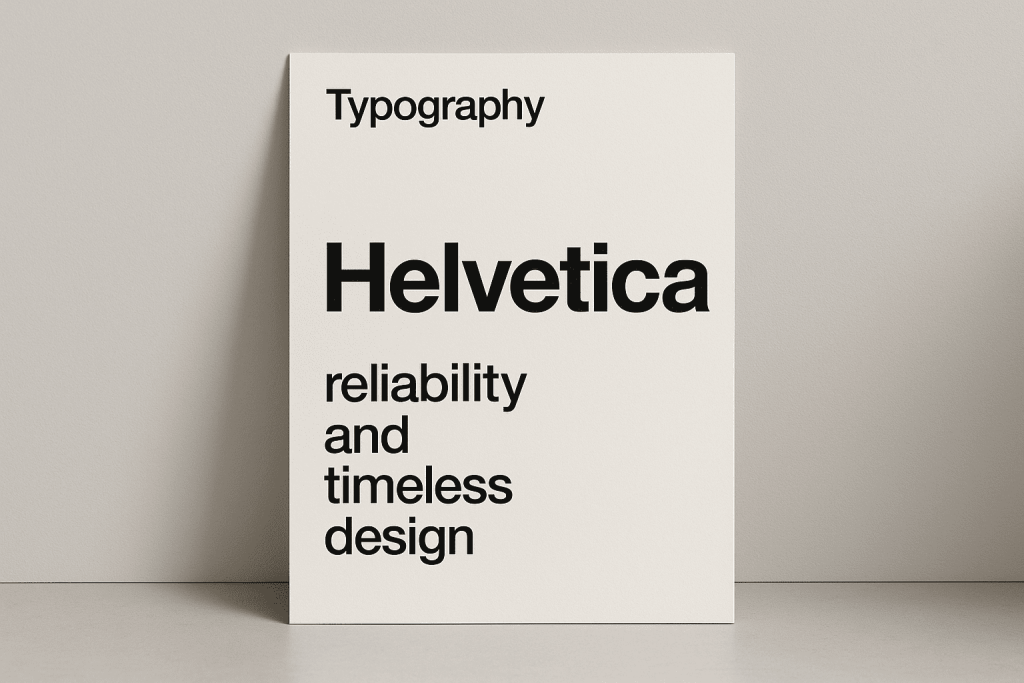
1. Helvetica
Sans-Serif
The Classic Workhorse. It’s clean, neutral, and incredibly versatile. It was designed to be invisible, allowing the message to shine through. Brands like Jeep and Toyota use it to convey reliability and straightforwardness.
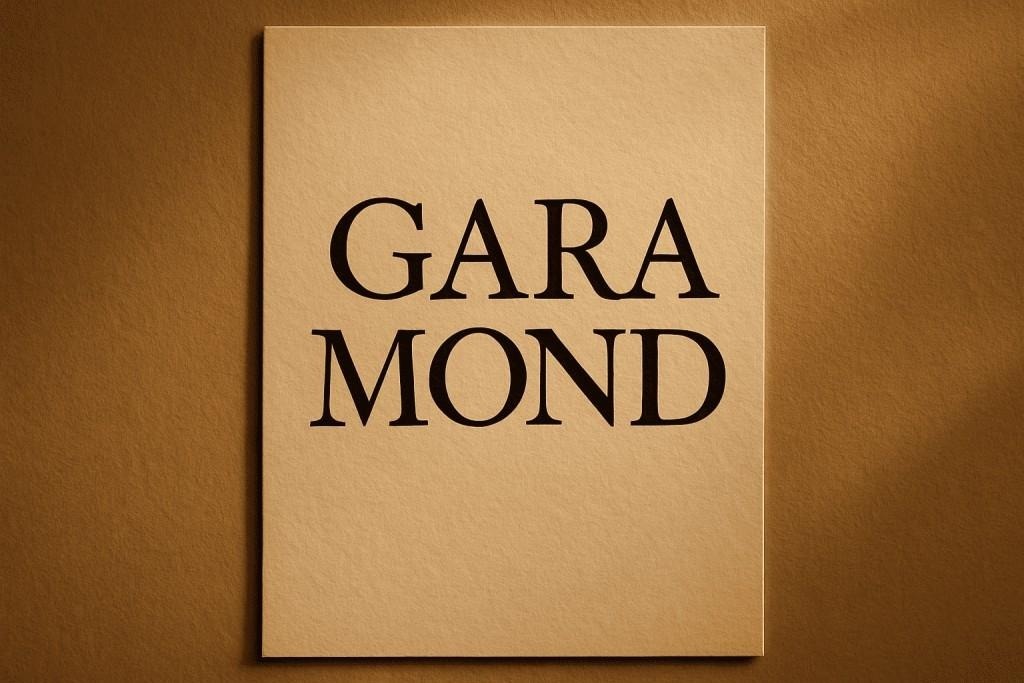
2. Garamond
Serif
The Literary Choice. It’s elegant, classic, and highly readable, especially in large blocks of text. It suggests heritage, quality, and intelligence. Used by many book publishers and luxury brands.

3. Proxima Nova
Sans-Serif
The Modern Digital Favorite. It has a great balance between modern geometric shapes and clear legibility. It feels friendly, approachable, and perfect for websites and apps. It’s very popular for tech companies and top design agencies.

4. Georgia
Serif
The Screen Reader. Designed specifically to look great on low-resolution screens, it is one of the most readable serif fonts for the web. It is often used by large news organizations, such as The New York Times, to convey trustworthiness.
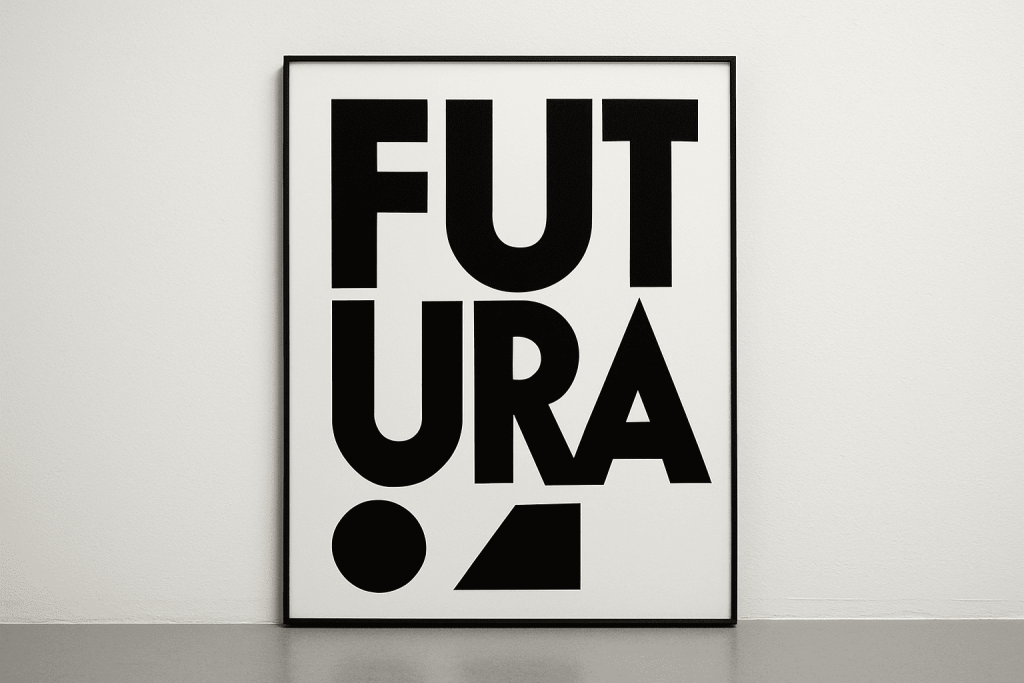
5. Futura
Sans-Serif
The Bold and Geometric. Based on perfect geometric shapes (circles, squares), it is simple, forward-thinking, and has a strong personality. Volkswagen and Louis Vuitton utilize it to convey a high-end, classic, and bold image.
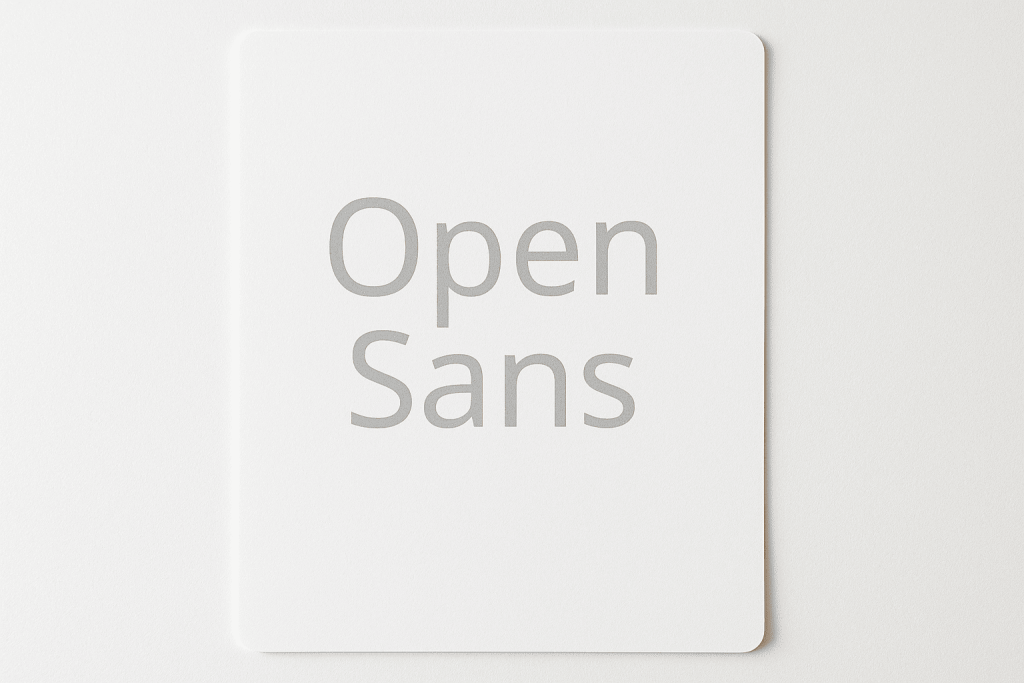
6. Open Sans
Sans-Serif
The Friendly and Free. This font is open-source (meaning free to use) and designed to be very legible with an approachable, friendly appearance. It is one of the most popular fonts on the web due to its clarity and wide availability.
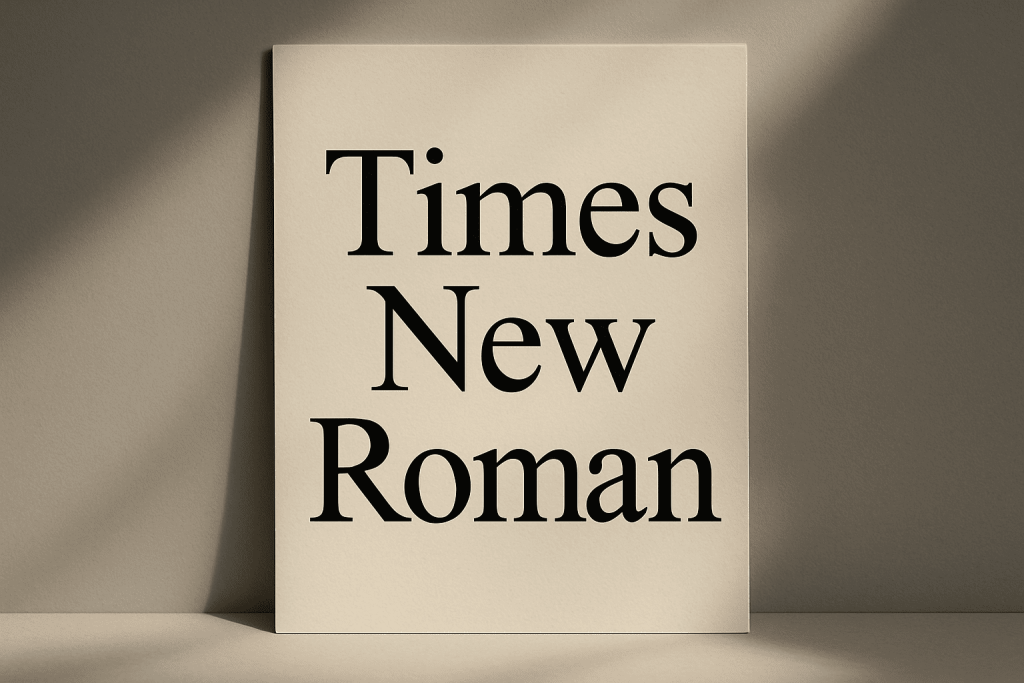
7. Times New Roman
Serif
The Traditional Standard. Known for its classic, authoritative look, it's often associated with important documents and news. It immediately signals tradition and official status.

8. Gotham
Sans-Serif
The All-American Confidence. This font has a strong, honest, and almost architectural feel. It became famous during the Obama Presidential campaign and is used by brands like Spotify for a strong, contemporary voice.
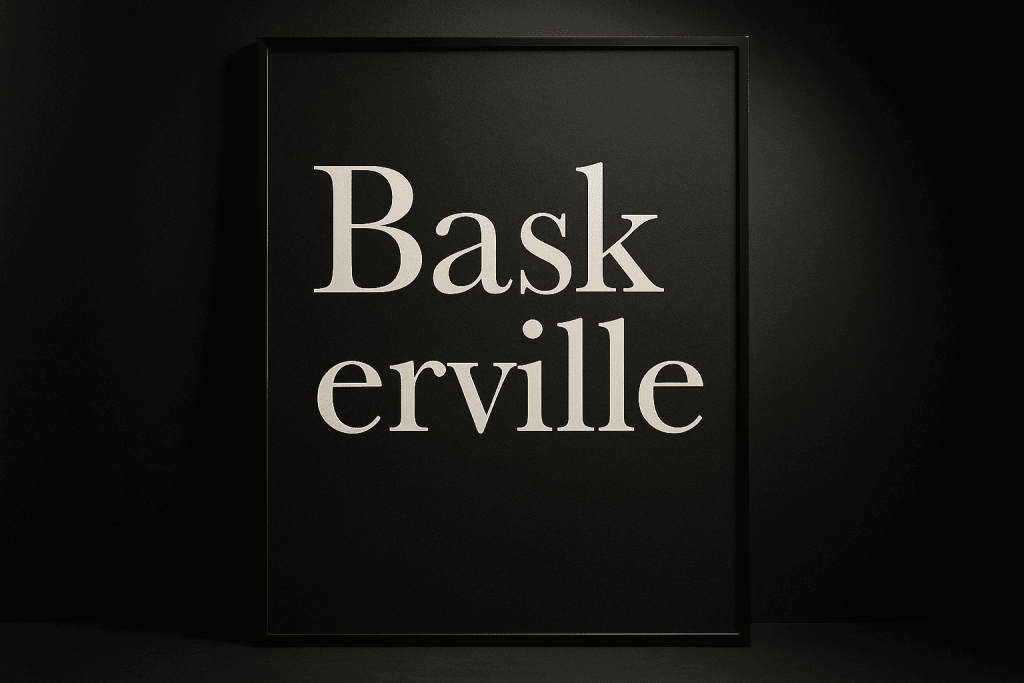
9. Baskerville
Serif
The Elegant Thinker. A transition font that is refined and sophisticated. Studies have shown that people judge content written in Baskerville as more truthful. It is great for brands that want to convey intelligence and quality.
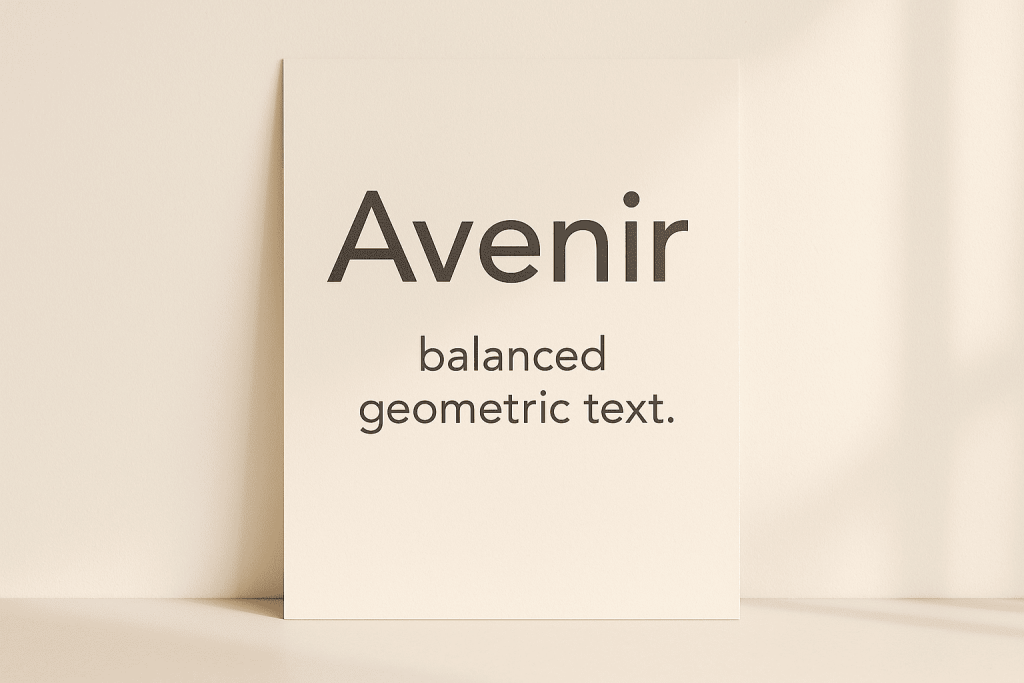
10. Avenir
Sans-Serif
The Humanist Geometric. Similar to Futura but with a more natural, “human” touch. It is clear, clean, and balanced, making it feel modern yet warm. Brands like LG use it for a simple, quality feel.
Typography Guide for Selecting Fonts Aligned with Brand Identity
Choosing your font shouldn't be a random guess. It should be a thoughtful process, just like choosing a name or a logo. You can follow this simple typography guide to make a choice that truly fits your brand.
Step 1: Know Your Brand’s Personality
Before you look at a single font, you need to know who your brand is. Is it:
- Serious and established?
(Like a law firm or a university) You need traditional, reliable, classic fonts. - Fun and Playful?
(Like a toy company or a frozen yogurt shop) You can use rounded, bubble-like, or slightly quirky fonts. - Modern and Techy?
(Like a new app or a smart device) You need clean, simple, geometric sans-serif fonts. - Creative and Artisanal?
(Like a coffee roaster or a handmade soap company) You may use scripts or fonts that appear to be hand drawn.
Your font should match the feeling you want to convey to people.
Step 2: Start with the Two Big Types, Serif vs. Sans-Serif
This is the most important choice in any typography guide:
Serif Fonts:
These are the ones with the little "feet" or small lines at the ends of the strokes (like Times New Roman or Garamond).
- Feelings: They signal tradition, respect, authority, and elegance. They are great for long blocks of text because the "feet" help the eye travel from one letter to the next.
Sans-Serif Fonts:
"Sans" means "without." These fonts have no "feet" (like Helvetica or Arial).
- Feelings: They signal modernity, clean design, clarity, and approachability. They are excellent for screens, headlines, and general digital use because they look crisp and clear even when small.
Most brands opt for a sans-serif font as their main font because they want to convey a modern and clear image.
Step 3: Choose Your Font Pair
You rarely want to use just one font. Instead, you need a "font pair" or a small family of fonts:
- The Headline Font: This font is big, bold, and meant to grab attention. It usually carries the strongest personality.
- The Body Text Font: This font must be highly readable. It’s where people get their information. It should be clean, clear, and quiet it should never fight with the headline.
A good strategy is to pair a Serif font for headlines, adding class, with a Sans-Serif font for body text to improve screen readability. You can also use two weights from the same font family, like a bold headline and a light body text.
Step 4: Check the "Feel" Everywhere
Once you've chosen a font, you must test it.
- On a small phone screen. Can you read the small print easily?
- On a giant banner or billboard. Does the font look strong and not too skinny?
- In a logo. Does it look professional and balanced when it’s next to your icon?
The best fonts are the ones that work well everywhere your brand appears
Also Read This:
Once your fonts are defined, explore our guide on How to Create a Color Palette That Resonates to build a complete visual identity.
Conclusion
The fastest approach to convey your brand's personality and build credibility is through brand typography. Every font you choose acts as your company's visual voice it either sounds clean and polished or cluttered and unclear.
We at American Design Hub reviewed the best fonts for brands and gave you a simple typography guide. The key lesson is to choose fonts that are easy to read and perfectly match your individual style.
Don't guess, choose your type wisely and intentionally. By using a consistent and appropriate font, you directly boost your brand's legitimacy and recognition. A great brand doesn't just say it's great, it looks great, and that starts with the lettering it uses on every page and product.
Frequently Asked Questions
Typography is important because it is your brand's voice. Colors get people's attention, but the font is what they read and remember. Good typography shows that your brand is professional and organized. This helps people trust you quickly.
-----------------------------------------------------------------------------------------------------------------------
Font choice significantly impacts a customer's perception of your brand. A serif font (characterized by small feet on the letters) can convey a brand as traditional, established, and serious.
A sans-serif font (without the feet) makes a brand feel modern, friendly, and simple. The font serves as a non-verbal cue, quickly indicating to the customer whether your brand is playful, serious, luxurious, or simple.
-----------------------------------------------------------------------------------------------------------------------
The main difference is the tiny "feet" or hooks at the end of the letter strokes.
Serif Fonts: Have those "feet" (e.g., Times New Roman). They are often seen as classic and good for long blocks of text in print (like books).
Sans-Serif Fonts: Do not have the "feet" (e.g., Arial, Helvetica). Sans means "without." They are often seen as modern, clean, and usually easier to read on computer screens.
-----------------------------------------------------------------------------------------------------------------------
For professional brands, the best fonts are ones that are very clear, simple, and trustworthy. Sans-serif fonts, such as Helvetica, Roboto, or Open Sans, are great because they appear clean and modern.
Classic serif fonts, such as Garamond or Times New Roman, also work well if the brand wants to convey a traditional, academic, or established image. The goal is always to look credible and highly readable.
-----------------------------------------------------------------------------------------------------------------------
When a brand uses the same font everywhere, customers start to recognize it instantly, even without seeing the logo. Think of a famous soda company or a major tech company, and you probably know their font style.
Using a unique and readable font helps your brand stand out. This makes it memorable and easy to identify.
-----------------------------------------------------------------------------------------------------------------------
The biggest mistakes are:
1. Choosing a font that is hard to read. If you can’t easily read it, no one else can.
2. Using too many fonts. Stick to one or two main fonts. More than that looks messy.
3. Choosing a font that doesn’t match your brand's personality is a mistake.
4. Ignoring digital readability. Some fancy fonts look great on paper but are terrible on a small phone screen. Always test your fonts on different devices.
-----------------------------------------------------------------------------------------------------------------------
Yes, you should! Most brands use two fronts, one for important things like headlines, titles, and the logo, and a different one for the main text and paragraphs. Using two fonts helps make your text look interesting and structured.
Just ensure the two fonts look good together, consider using a fancy font for the title and a simple one for the body text. Use no more than two or three at most. Alternatively, it may appear too busy and unprofessional.
-----------------------------------------------------------------------------------------------------------------------
First, decide if your brand is traditional or modern.
• Traditional/Serious: Go for a classic serif font (the ones with the little feet).
• Modern/Friendly: Go for a clean sans-serif font (the ones without the feet).
-----------------------------------------------------------------------------------------------------------------------
Yes, they definitely impact readability! If a font is too small or unusual, people will struggle to read your website and may leave quickly. This is detrimental to your website's bounce rate (the percentage of visitors who leave immediately).
SEO is about making your website easy for search engines, such as Google, to understand. While Google doesn't care if you use Arial or Roboto, it does care if people can read your site easily and spend time there.
By making your website readable with a good font, you indirectly help your SEO!
-----------------------------------------------------------------------------------------------------------------------
If you have the money, yes, hiring a designer or design agency is a great idea! They are experts who can save you a lot of time. A designer knows exactly which fonts match and which ones look the most professional.
They can also find special fonts that make your brand truly unique. However, if you are just starting out, you can use free, popular, and safe fonts like Open Sans or Roboto and do a great job yourself!
-----------------------------------------------------------------------------------------------------------------------
